Chanterelle Mushroom: A Real-World Review for Makers
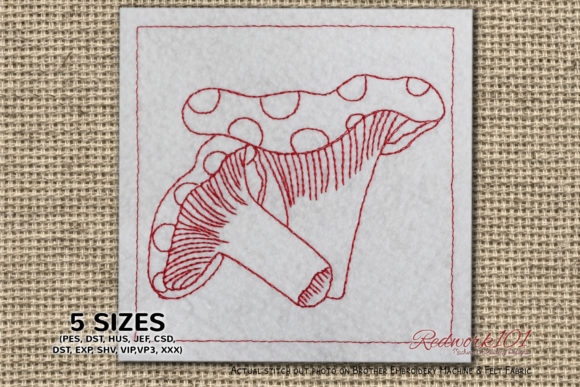
When I preview an embroidery file like this Chanterelle Mushroom design, I’m not just looking at a cute graphic. I’m evaluating a potential project partner. This one lands with a friendly, earthy charm. Its soft, organic curves and implied delicate texture feel more like a gentle sketch than a heavy, dense illustration. That’s a good sign. It tells me this design likely belongs on cozy, natural-feeling items—a linen apron, a canvas tote bag, or the corner of a cotton tea towel. It doesn’t scream “commercial”; it whispers “handmade.”
The First Impression: Mood & Potential Placement
The Chanterelle Mushroom has a distinctly rustic personality. It’s not a hyper-realistic food illustration, which is perfect. That means it won’t feel out of place on a child’s sweatshirt or a rustic kitchen towel. The shape is recognizable and pleasing, with enough detail to be interesting but not so much that it becomes a stitching headache on, say, a curved baseball cap. I immediately think of small business merchandise for a boutique farm stand, a personalized gift for a cooking enthusiast, or a simple, sweet addition to nursery decor. Its mood is gentle and authentic.
Regarding the optional Box Stitch mentioned in the description, my practical take is this: treat it as a true option. If the outer box is a different color, as noted, it’s essentially a separate decorative frame. For a real project, like embroidering a set of pillow covers for a holiday gift, I’d test it both ways. The box could add a lovely, finished border on a plain fabric, making the design feel more intentional. Skipping it, however, lets the mushroom stand alone as a more integrated, organic accent, which might be better for a minimalist tote bag design or a baby’s blanket. This flexibility is a plus.
Performance in Real Embroidery Projects
Let’s talk application. I envision this design excelling on natural-fiber, low-texture fabrics. Think cotton, linen, or a stable canvas. On a custom apparel item like a relaxed-fit t-shirt or a sweatshirt, the Chanterelle Mushroom would stitch out cleanly, provided you use the right stabilizer for the fabric weight. Its open, illustrative style suggests it won’t have extreme stitch density, which is a relief for stretchy fabrics—less puckering risk.
For craft business items, this is a strong candidate. An Etsy seller creating embroidered patches could use this for a “local harvest” themed set. A maker specializing in personalized gifts could stitch it onto a chef’s apron as a unique touch. It feels giftable. On a digital product seller’s printable mockup, it would look charming and approachable, helping a buyer visualize it on their own handmade product. For commercial embroidery projects, like a small run of tea towels for a cafe, it offers a recognizable, non-cliche food motif that builds brand consistency in a subtle way.
Where to Exercise Caution
Every design has its ideal habitat. For this Chanterelle Mushroom, I’d be careful on very dark fabrics unless the file includes a clear underlay or the stitch path is designed for good coverage. The delicate lines might get lost. Similarly, on highly textured fabrics like a thick sweater, the finer details could become unclear.
Small hoop sizes are another consideration. While the design looks modest, you must confirm the actual dimensions before stitching it on a tiny item like a baby’s hat bib. Those elegant curves need space to breathe. Also, on products destined for frequent washing—like kitchen towels or everyday caps—you’d want to ensure the stitch density is robust enough to withstand wear without fraying. A test on scrap fabric is essential here.
Impact on Your Craft & Your Customer
Using a design like this affects more than just the fabric. It influences your product’s visual appeal and perceived value. This Chanterelle Mushroom, when stitched well, conveys a sense of thoughtful, handmade presentation. It’s not generic. That builds customer trust and engagement for small shop owners. A buyer looking for a unique embroidered gift sees something special and personal, not a mass-market logo.
For your craft business, it adds to a cohesive brand if you work with natural, food, or rustic themes. It’s professional without being corporate. The recognition factor is there—people know a chanterelle—but it’s not overly common in the embroidery world, which gives your Etsy listings or craft fair products a quiet standout quality.
Practical Designer Notes Before You Hoop
Before you commit this design to a real project, here’s my checklist. First, always test on a scrap of your target fabric. This reveals everything: thread color contrast, how the satin stitches or fill stitches behave, and whether any small details, like the mushroom’s gill lines, stitch out clearly.
Check your thread palette. This natural motif might call for soft golds, creams, and browns, but see how they pop against your background. Run a simple black-and-white mockup on your software to assess contrast purely by shape. Compare how it looks on both a light and dark fabric background in your preview.
Use proper stabilizer. For a design with likely varied stitch types—perhaps running stitch for outlines and fill for the body—the right stabilizer ensures flat, clean results on everything from a tote bag to a delicate pillow cover.
And crucially, confirm the licensing. Before selling finished items like embroidered patches or sweatshirts, or using the file as part of your digital product offerings, you must know the terms. Is it for personal use only, or does it allow commercial embroidery projects? Never assume.
The Final Stitch: A Trustworthy Design Asset
In my hands, as a designer preparing, say, a custom embroidered tote bag for a client’s garden shop, this Chanterelle Mushroom embroidery file feels like a reliable asset. Its friendly, rustic aesthetic translates well to a physical stitch. It prompts creative ideas for holiday gifts, boutique product lines, and personalized kitchen items. It seems mindful of the maker, avoiding overly dense areas that could challenge smaller machines or delicate fabrics.
My advice is to lean into its natural charm. Pair it with complementary fabrics and thoughtful product concepts. Whether you’re an apparel decorator adding it to a cap, a hobbyist making a wedding gift for a foodie couple, or a creative entrepreneur building a collection of embroidered tea towels, this design has the personality to support your vision. Just do your practical homework—test, check, confirm—and then let this little mushroom become a beautiful part of your next finished product.