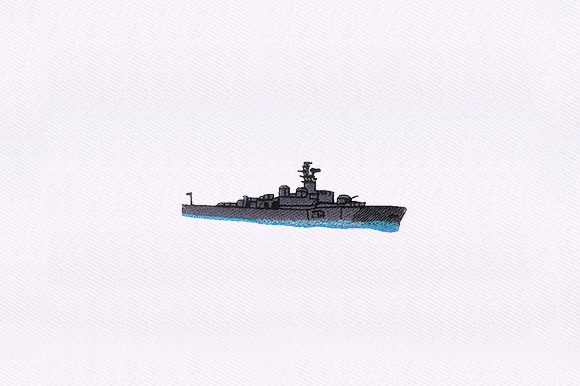
Liner Ship Cap Design: A Professional Embroidery Review
As an embroidery designer working with small businesses and creative brands, I regularly evaluate machine embroidery designs for their real-world application. Today, I'm reviewing the Liner Ship Cap Design from the perspective of a professional looking to use it for branded merchandise, patches, and apparel decoration. This review is focused on how this digital embroidery file performs as a business asset, not just a decorative element.
First Impression: A Classic and Trustworthy Statement
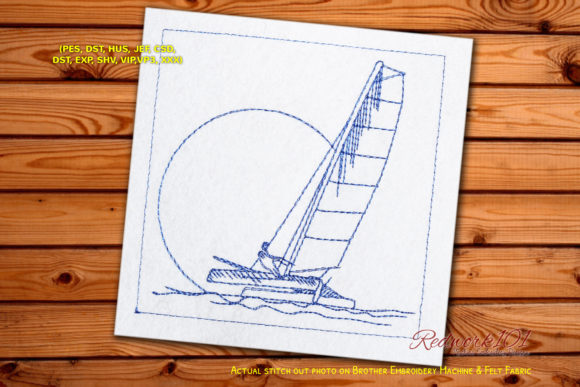
The immediate visual personality of the Liner Ship Cap Design leans toward a classic, professional, and slightly nautical feel. It conveys a sense of reliability and craftsmanship, which is an excellent foundation for businesses wanting to project trust and stability. For a small café near a harbor, a boutique selling handmade goods with a travel theme, or a creative studio with a structured, disciplined brand identity, this design offers a straightforward and bold graphic statement. It doesn’t feel overly playful or rustic; instead, it strikes a balance between being friendly and premium, making it versatile for various brand tones.
Applying the Design to Real Business Merchandise
The true test of any embroidery file is its performance across the spectrum of small business merchandise. The Liner Ship Cap Design, with its available formats like DST, PES, and JEF, is ready for commercial embroidery machines. Let’s explore its potential applications.
Embroidered Patches and Product Labels
For a handmade shop or Etsy seller, a custom embroidered patch can elevate a product. This design could serve as a beautiful accent patch on tote bags, aprons, or even as a standalone product label sewn onto a garment. Its clear, defined lines suggest it would stitch out cleanly as a patch, provided the stitch density is appropriate for the chosen size. For a pet brand or florist, a small patch featuring this design on a collar or apron could become a recognizable brand mark.
Staff Uniforms and Professional Apparel
Imagine a local bakery or café wanting a cohesive look for their team. The Liner Ship Cap Design could be embroidered onto the chest of polo shirts or as a subtle sleeve detail on work shirts. Its classic nature lends itself well to a uniform, enhancing professionalism. Similarly, for a boutique or creative studio, embroidering this onto staff caps or aprons creates visual consistency and reinforces brand identity to customers.
Customer Gifts and Event Merchandise
Branded merchandise as customer gifts or event swag is a powerful engagement tool. This design could be central to a cap given to loyal customers or sold as event merch. Embroidered onto a high-quality tote bag, it becomes a functional and stylish piece of branded apparel. The design’s straightforward aesthetic makes it suitable for items that aren’t purely decorative but are meant to be used daily, reinforcing brand recognition through repeated exposure.
Critical Considerations for Successful Embroidery
While the design has strong potential, practical embroidery designer notes are crucial for a flawless finished product. These are the areas where careful testing and planning prevent costly mistakes.
Size, Scale, and Placement
The name suggests a cap design, which often means placement on a curved surface. It’s vital to test this design at the intended small size, especially for cap fronts, to ensure details like any potential lettering or outlines remain clear and don’t bunch up. For patch applications, verify it works at the desired patch size—sometimes a design needs minor adjustments for very small-scale embroidery. Always create a printable mockup for client approval to visualize the final placement on an apron, cap, or bag.
Fabric and Technical Execution
Dark uniforms or textured fabrics like canvas on tote bags require special attention. Review thread color contrast; a design with lighter threads on a dark background may need a higher stitch density or different underlay to prevent the fabric from showing through. Always test on real fabric swatches that match your final product. Using the proper stabilizer for the fabric type is non-negotiable to prevent puckering and ensure a clean stitch-out, which directly affects the perceived value of the handmade product.
Commercial Use and File Preparation
Before running any production for your small business merch, confirm the commercial licensing terms for this digital embroidery file. While the provided formats (10O, ART, CND, DSB, DST, DSZ, EXP, HUS, JEF, PCS, PEC, PES, TAP, VIP, VP3, XXX) indicate wide machine compatibility, the specific hoop size needed isn’t stated. It’s your responsibility to check this within your software before hooping your fabric. A professional practice is to test the design in black and white first on scrap fabric to evaluate its fundamental structure and spacing without the influence of color.
The Impact on Brand Identity and Customer Perception
Ultimately, the choice of an embroidery design like this is a brand decision. A well-executed Liner Ship Cap Design on your custom apparel or products communicates attention to detail and quality. It moves your brand from simply offering a product to offering an experience. For a customer, a beautifully embroidered cap or tote bag with a clean, professional design enhances trust and suggests the business invests in its presentation. This can increase the perceived value of your merchandise and strengthen buyer engagement, turning a simple item into a cherished brand artifact.
In summary, the Liner Ship Cap Design presents a solid, classic graphic option for businesses seeking to incorporate embroidery into their brand assets. Its success hinges not on the file itself, but on your careful application of professional embroidery principles: testing for size, ensuring technical execution on the target fabric, and using it consistently to build a cohesive brand story across your patches, uniforms, and merchandise.