Hope Survive: An Embroidery Designer's Craft Fair Review
The First Booth Impression
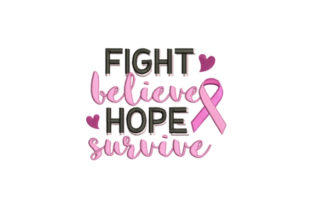
When I look at Hope Survive, my first impression as a designer is that it feels bold and meaningful. The title alone carries a weight of purpose. This isn't a cute farmhouse motif or a minimal decorative accent. It's an awareness ribbon design with a clear, emotional message. For a craft fair booth, this gives it immediate resonance. On a crowded table among aprons and pillow covers, a design like this stands out because it connects to a cause people care about deeply. It has a premium feel, not because of ornate details, but because of its significance. Customers notice it through its symbolic clarity.
Where This Design Stands Out on Product
Evaluating where to place Hope Survive for maximum impact is key. Some products will elevate its message better than others.
Tote Bags & Market Bags
This is a top contender. A tote bag is a daily-use item, making the message visible. The design works as a large focal point on the bag's front panel. On a solid-color canvas bag, the ribbon will be striking. The value perception increases; it's not just a bag, it's a statement piece. For batch production, tote bags are practical and popular.
Tea Towels & Aprons
Kitchen textiles are strong sellers, but for this specific design, I'd lean more toward aprons. An apron has a larger, flatter surface area than a towel, which is often textured. Embroidery on textured towels can lose clarity. On an apron, Hope Survive can be centered prominently, making it a powerful giftable handmade item for someone supporting the cause.
Embroidered Patches & Caps
Patches are excellent. They allow customers to "spread the word" on their own clothes, exactly as the description suggests. A well-made patch, densely stitched, feels substantial. Caps are trickier. The curved surface requires a good stabilizer and careful hooping. The design must be tested on a cap mockup to ensure it doesn't distort. If it works, it's a high-attention product at a booth.
Pillow Covers & Fabric Pouches
Pillow covers offer a softer, more domestic context for the message, which can be appealing. A small pouch might feel less impactful unless it's a dedicated medical or support kit. For booth display, a pillow cover can anchor a section of your table, showing the design at a comfortable size.
Practical Production & Selling Points
Turning this machine embroidery design into a sellable craft fair product requires a practical eye.
Understanding at a Glance
The design is instantly understandable. The ribbon symbol is universal. This is a massive advantage at a busy fair where customers scan tables quickly. It doesn't need explanation; it communicates its purpose visually. This translates perfectly to Etsy listings and printable mockups online—the thumbnail will be clear.
Size Scaling & Photographing
I would run it as a medium to large design. As a small accent on a collar or pocket, tiny details or lettering (if present in the design) might lose clarity. Test it at different sizes on scrap fabric first. For photography, it will look best on light or medium-colored fabric where the thread contrast is high. Dark fabric requires careful thread color choice to maintain the design's boldness.
Repeatability for Batch Production
For a weekend fair, you want products you can produce reliably. The design appears to have clean, defined shapes, which suggests good repeatability. Check the stitch density in your embroidery file. Very dense areas on thick fabric like bag canvas might require multiple passes or a stronger stabilizer. Always create at least one real mockup before batch production to spot any issues with thread breaks or hooping.
Careful-Use Notes for the Embroidery Designer
My professional notes before loading the first hoop:
- Test on scrap fabric identical to your final product fabric. A tea towel's linen and a tote bag's canvas behave very differently.
- Check thread contrast. For maximum booth impact, use vivid, high-contrast threads. Pink on white is classic, but consider a deep pink on a soft grey for a modern, premium look.
- Review spacing and hoop size. The provided embroidery file formats should be checked for the minimum safe hoop size. Don't assume.
- Inspect stitch density in your software. Dense fill areas can puckering lighter fabrics if stabilizer is wrong.
- Use the right stabilizer. For bags, a firm cut-away. For apparel patches, a tear-away might suffice. This affects the handmade quality feel.
- Compare fabric colors. Make a small batch of samples on different color fabrics to see which sells the story best at your booth.
- Confirm commercial licensing. The description mentions it's a machine embroidery design. Before selling finished products, verify your license allows for commercial embroidery and resale of handmade items. This is crucial for Etsy sellers and small shop products.
Booth Display Strength & Buyer Engagement
Finally, how does Hope Survive pull people into your booth? Its strength is emotional engagement. A customer who connects with the cause will stop and look. It adds value beyond decoration; it offers solidarity. To leverage this, display it on products that look gift-ready—a nicely folded apron, a tote bag standing upright, a patch presented in a simple card. Your booth’s story becomes about support and awareness, which can elevate your entire brand consistency if you have other thoughtful designs. It encourages conversation, which is the gold standard at a craft fair.
The Final Designer Verdict
Hope Survive is a design with powerful visual appeal for a specific, engaged audience. It is not a generic decorative piece; it’s a purpose-driven product. For production, focus on items where its symbolism shines: tote bags, patches, and aprons. Its clarity makes it a strong digital embroidery file for online listings as well. The practical key is testing. Stitch it, see it, feel it on the actual fabrics you'll sell. That real-world test will tell you exactly where Hope Survive will survive and thrive on your craft fair table.