Incas Mask: An Embroidery Designer’s Review for Craft Fair Products
As a professional embroidery designer preparing for a weekend craft fair, I’m constantly evaluating new designs for their real-world selling potential. When I look at a design like the Incas Mask, my first question isn’t just about its beauty, but about its practicality and appeal on a crowded booth table. This embroidery file presents a unique opportunity. The name suggests a bold, historical, and decorative aesthetic, leaning towards a premium and artisanal feel rather than cute or minimalist. This mood immediately sets it apart from typical floral or whimsical motifs, which can be a powerful advantage in a busy handmade market.
First Impressions & Booth Display Potential
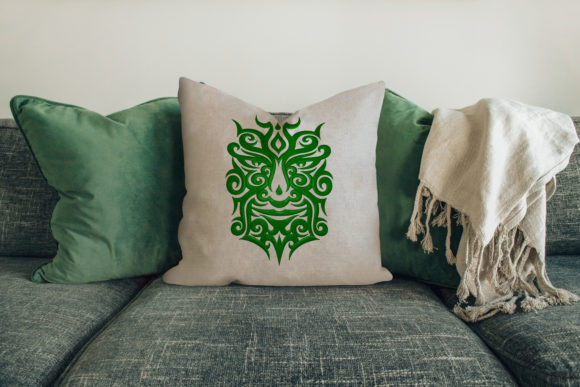
The Incas Mask design feels inherently bold and decorative. It’s a statement piece. On a table filled with handmade products, a design with this kind of distinctive cultural and artistic reference can catch a customer’s eye from several feet away. It doesn’t blend in. For visual appeal and buyer engagement, this is a huge plus. In terms of booth display strength, I would plan to make it a focal point. A single, well-executed sample on a dark fabric pillow cover or a crisp white market bag could anchor one section of my display, drawing people in to see the variations.
Where the Incas Mask Shines as a Product
Based on its described availability in six sizes, this digital embroidery file offers flexibility. My immediate thoughts for craft fair products center on items where the design can be presented as art.
- Pillow Covers: This is the prime candidate mentioned in the description. A well-hooped pillow cover allows the design to be a large, central focal point. The premium, decorative feel of the Incas Mask translates perfectly here, increasing perceived product value.
- Tote Bags & Market Bags: A bold tote bag design like this stands out. On a neutral or dark canvas bag, the mask becomes a wearable piece of art, appealing to customers looking for unique, non-generic accessories.
- Aprons & Tea Towels: For aprons embroidery or tea towel embroidery, the design would need to be scaled appropriately. On an apron bib or the center of a towel, it creates a high-end, specialty kitchen item, moving beyond simple utility.
- Embroidered Patches: This is a fantastic option. A standalone embroidery patch featuring the Incas Mask can be sold as a versatile item for crafters and buyers alike. It also serves as a smaller, lower-price-point entry into the design.
- Caps: Applying it to curved cap surfaces requires careful testing. As a large design on the front panel, it could be striking, but stitch density and detail clarity on textured fabric must be verified.
- Fabric Pouches & Giftable Items: On small pouches or giftable handmade items, a smaller size of the design acts as a beautiful accent, suggesting quality and care in craftsmanship.
Practical Production & Selling Considerations
Turning a machine embroidery design into a sellable small shop product requires a disciplined approach. Here are my key notes for Incas Mask.
Design Clarity & Batch Production
The design seems complex and detailed. This is beautiful, but it introduces production factors. Dense stitch areas are likely. This means testing stitch density on scrap fabric with the appropriate stabilizer is non-optional. Tiny details or small lettering (if present) could lose clarity at the smallest of the six available sizes, making those sizes better for very simple applications or possibly less viable. For batch production, the design feels repeatable, but each run will require consistent attention to thread tension and fabric choice to maintain that premium handmade quality.
Fabric, Color, and Photographing for Sales
Fabric texture and color are critical. On dark fabrics, thread contrast must be high—bright or metallic threads could make the Incas Mask pop spectacularly. On textured towels or nubby fabrics, detail loss is a risk; smoother cottons and linens are safer bets. For Etsy seller listings and printable mockup assets, this design should photograph very well. Its intricate nature looks detailed and valuable in images, which helps in online sales. Creating at least one real physical mockup is essential to see how light plays off the stitches and to use for photos.
Customer Attention & Product Value
This design elevates product value. It’s not a quick, simple motif. Customers at a fair who appreciate craftsmanship will notice the work involved. It supports a brand consistency focused on artisanal, cultural, or historical themes. For buyer engagement, it’s a design that prompts questions and stories, which is gold for a maker at a booth. However, its niche appeal means it might not be the fastest seller for everyone, but it will be a memorable one for the right customer.
Essential Designer Notes Before You Stitch
Before committing to a production run for your commercial embroidery products, a checklist is vital. I follow this for every design, including Incas Mask.
- Test on Scrap: Always stitch the design on a scrap of the exact fabric you plan to use. Check for puckering, thread coverage, and detail integrity.
- Review Thread Contrast: Test several thread color options against your planned fabric colors. What looks good on screen may differ in stitched form.
- Confirm Hoop Size & Stabilizer: The description notes six sizes. Match each intended product to the correct hoop size and use the proper stabilizer for the fabric weight and type.
- Inspect Stitch Density: Look for areas of overly dense stitching that might stress finer fabrics like tea towel linen. Adjust stabilizer accordingly.
- Create a Real Mockup: Produce one finished, sale-quality item. This is your booth sample and your photo sample. It reveals final production quirks.
- Compare Fabric Colors: Stitch the same design on light, medium, and dark fabric samples to see its range of visual impact.
- Confirm Licensing: The description specifies it’s a digital embroidery file. For commercial embroidery and selling finished products, always verify the license terms included with the file before any production.
In conclusion, the Incas Mask embroidery design is a powerful asset for a craft fair seller looking to offer distinctive, premium items. Its bold, decorative nature commands attention on both booth displays and finished products like pillow covers, tote bags, and patches. Its success hinges on meticulous production testing—particularly regarding stitch density and detail clarity across sizes and fabrics—to ensure the final handmade product reflects the high-quality promise of the design file itself. With careful preparation, it can become a standout piece that enhances your brand and engages discerning customers.