Reviewing the Nursery Lion Embroidery Design for Craft Fair Products
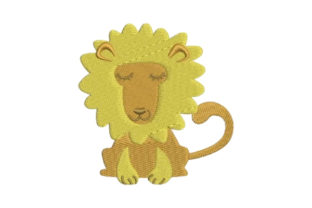
As a professional embroidery designer preparing for a weekend craft fair, every design in my catalog gets a real-world evaluation. It’s not just about whether a design is cute; it’s about whether it can be translated into products that sell, look good in person, and are practical to produce in batches for a busy booth. Today, I’m looking closely at the Nursery Lion machine embroidery design.
First Impression: Soft, Adorable, and Instantly Giftable
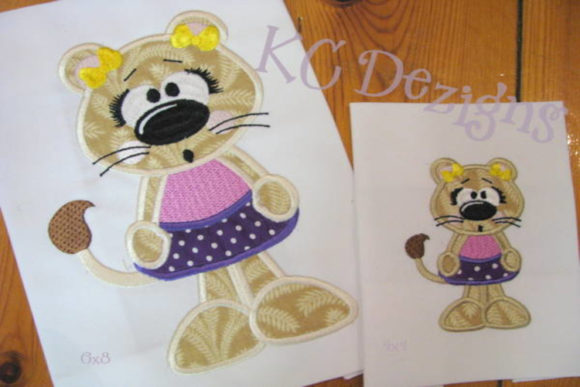
The title and description set a clear mood: this is a super adorable design meant for baby projects. My first impression is that it leans into a soft, whimsical, and heartwarming aesthetic. It doesn’t scream bold or modern; it whispers cute and cuddly. This is a strength. In a bustling craft fair environment, designs that evoke an immediate emotional response—like the warmth of a nursery animal—have a powerful advantage. It feels inherently giftable, which is a key driver for sales at handmade markets.
Where the Nursery Lion Stands Out on the Display Table
Imagine a table filled with embroidered tote bags, aprons, tea towels, caps, and small pouches. The Nursery Lion needs to find its best home to capture attention. I evaluate its performance on potential products:
- Tote Bags & Market Bags: For a baby-themed design, a tote bag might be a niche product, but it could work beautifully as a “mommy bag” or a gift for a new parent. The design would need to be sized appropriately—not too small to lose detail, not too large to overwhelm the bag’s utility.
- Aprons & Kitchen Towels: While traditionally adult-focused, a whimsical Nursery Lion on a tea towel could appeal to someone decorating a kitchen with a gentle, farmhouse-inspired theme. It’s less obvious but could find a unique buyer.
- Caps: Embroidering on curved surfaces is tricky. The lion’s potential dense areas or small details might lose clarity on a cap unless the design is expertly adapted and hooped correctly.
- Embroidered Patches: This is a prime candidate. A Nursery Lion patch is instantly understandable, easy to produce, and highly versatile. Customers can see its application on baby blankets, jackets, or diaper bags right away. Patches also photograph exceptionally well for online listings.
- Fabric Pouches & Pillow Covers: For small pouches or decorative pillow covers, this design hits the mark. It creates a focal point that suggests handmade quality and care, elevating a simple product into a premium-feeling gift.
- Booth Samples & Giftable Items: My strategy would be to create one stunning, finished mockup—perhaps on a soft, high-quality muslin pouch or a delicate pillow cover—and display it prominently. Its “adorable” quality is best sold through touch and feel.
Practical Production: Turning a Digital File into Sellable Products
For craft fair sellers and Etsy sellers, the gap between a digital embroidery file and a finished product is where businesses succeed or struggle. Here’s my practical review for production:
Understanding Design at a Glance
The Nursery Lion, by its category of Baby Animals, is easy to understand. Customers will recognize it immediately, which is vital for fast craft fair decisions. It likely works best as a medium-sized focal design rather than a tiny accent, given its presumably detailed features.
Batch Production & Repeatability
For producing multiple items, I consider stitch density and thread colors. Designs with very dense stitch areas can be time-consuming and wear on machines, affecting batch efficiency. Designs with too many color changes can complicate production. Without specific details provided, I must advise: check the stitch count and color count included in the embroidery file before planning large batches.
Photography & Online Sales
For Etsy sellers and digital sellers, how this design photographs is critical. Soft, adorable designs benefit from light, natural backgrounds and close-ups that show texture. A Nursery Lion on a light-colored fabric will likely photograph better than on dark fabric, where thread contrast must be carefully chosen. Creating a real, physical mockup is non-negotiable for great photos; printable mockups can’t capture the true handmade appeal.
Careful-Use Notes for the Embroidery Crafter
Every design has its challenges. Before loading the file, I run through this checklist:
- Fabric & Stabilizer: For textured towels or thick fabrics like some tote bag materials, a robust stabilizer is needed to prevent puckering and maintain the design’s soft appearance.
- Small Details & Lettering: If the design includes tiny features or small lettering (like “nurse” perhaps), these may lose clarity at smaller sizes. Always test on scrap fabric at your intended hoop size.
- Thread Contrast: On darker fabrics, you may need to switch to lighter, brighter threads to keep the lion looking adorable and visible.
- Hoop Size Compatibility: The description mentions it comes with multiple embroidery file formats. This is excellent for versatility. Confirm the design is provided in formats compatible with your machine and intended hoop size for each product type.
- Commercial Licensing: As a boutique maker or creative entrepreneur, always confirm the license terms of the digital embroidery file. Can you use it to create and sell finished products at craft fairs and online? Never assume.
Why the Nursery Lion Adds Value to Your Booth and Brand
Ultimately, a design’s value is judged by how it enhances your entire handmade business.
- Customer Attention: Its adorable nature draws in customers looking for gifts. It creates a gentle, welcoming corner in your booth.
- Product Value: Applied well, it transforms basic items into specialized, themed products, allowing for a slightly higher price point justified by perceived handmade quality.
- Brand Consistency: If your shop leans into soft, baby, or whimsical themes, the Nursery Lion strengthens that brand story. If your brand is more rustic or modern, it might be a one-off novelty item.
- Booth Display Strength: A cohesive group of products featuring this design—a patch, a pouch, and a pillow—creates a powerful mini-collection that tells a complete story and encourages multiple purchases.
- Buyer Engagement: People love to talk about baby gifts. This design naturally sparks conversation about grandchildren, new babies, or friends’ showers, deepening engagement at your table.
Final Designer Advice Before the Fair
My process is always hands-on. For the Nursery Lion, I would:
- Test it on at least two types of scrap fabric: a smooth cotton (for pouches) and a textured linen (for towels).
- Check thread contrast by stitching it on both light and dark fabric samples to see which sells the design best.
- Review the spacing and density by inspecting the first stitch-out; adjust stabilizer if needed.
- Create that one perfect, finished mockup to be the hero of my photos and my booth display.
- Compare how it looks on different fabric colors to decide my final product palette.
- Only after all this, would I batch-produce my chosen items, confident that the Nursery Lion is not just a cute file, but a viable, sellable craft fair product.
In the world of handmade markets, a design’s success is measured by its translation from screen to stitch to customer’s hands. The Nursery Lion, with its inherent adorable charm, has the potential to make that journey successfully, provided we crafters do our due diligence to honor its details and present it in its best light.