Cute Giraffe Embroidery: A Designer's Honest Project Review
When you're evaluating an embroidery file for actual project work, it's not just about whether it looks nice on the screen. It's about imagining it stitched out, worn, washed, and loved. That’s the lens I’m applying to this Cute Giraffe design. Let's talk about where this little wild charm shines and where you might need a bit of extra planning.
First Impressions: Whimsy That Wins Smiles
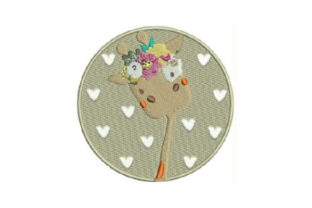
The mood here is pure, playful whimsy. This isn't a detailed anatomical study; it’s a character. The shape is friendly, with proportions that feel soft and approachable, landing squarely in that Baby Animals category appeal. The detail level strikes a good balance—enough to give the giraffe personality without being overwhelmingly dense. This visual personality translates directly into a product’s vibe. Imagine this stitched onto a baby’s blanket or a child’s sweatshirt. The reaction isn't just "nice embroidery," it’s an instant smile. That’s a powerful starting point for any handmade product or personalized gift.
The Real-World Project Fit: Where This Design Belongs
I picture myself preparing a custom tote bag for a boutique or a cozy sweatshirt for a small shop’s holiday collection. The Cute Giraffe design feels like a natural fit. Its scale and style suggest it would excel on mid-sized areas: the front of a tea towel, a pillow cover for a nursery, the back of a lightweight cap, or the center of an apron. It’s inherently giftable—think birthday presents, baby welcomes, or even a cheerful touch on kitchen decor. For craft fair products or Etsy listings, this design offers clear, recognizable appeal that communicates warmth and handmade care without needing explanation.
A Scenario: Crafting a Boutique Baby Gift Set
Let's walk through a real case. You're creating a limited-run baby gift set for your shop: an embroidered muslin blanket and a matching bib. You load the Cute Giraffe embroidery file. The first consideration isn't the machine; it's the fabric texture. On soft, fine cotton, the design's fill stitches need proper stabilizer to prevent puckering, but the final look would be adorable. The friendly, rounded shapes mean it won't feel overly formal or stiff on such a delicate item. For the bib, a smaller hoop size might be needed, but the design's likely layout should accommodate that well. The result? A cohesive, charming product set that feels personal and professionally made.
Performance Considerations: Where to Use Care
This is where practical design judgment comes in. While the description says it looks adorable on any fabric, as an experienced embroidery designer, I'd offer some realistic notes. On very dark fabric backgrounds, careful thread color selection is paramount—you want those cute details to pop, not get lost. On stretchy fabric like a standard t-shirt, you'll need to reinforce with the right stabilizer to maintain the shape after wear and washing. Similarly, on textured fabrics like some sweaters or certain bag materials, the stitch clarity could be softened, so a test run on scrap fabric is always wise.
If you're considering this for a curved surface like a cap, inspect the design's layout in your software first. Are there any extremely dense stitch areas or tiny, intricate corners that might not translate well on that curve? For products destined for frequent washing—like kids' apparel—a robust satin stitch outline and secure fill stitches are important for longevity. Always, always test the design on scrap fabric first with your chosen materials to check density and contrast.
Visual Appeal & Commercial Value
From a business perspective, a design like this affects more than just aesthetics. It impacts customer trust. A well-executed, cheerful Cute Giraffe on a tote bag or sweatshirt signals attention to detail and an understanding of the customer’s mood. It enhances the perceived value of a handmade product. For brand consistency, if your shop’s theme is playful and family-friendly, this fits seamlessly. It’s also versatile enough for printable mockups, helping you market digital embroidery files or finished products with confidence. It engages buyers because it tells a simple, happy story.
Practical Designer Notes Before You Stitch
Before you commit this to a client project or your next craft business item, here’s my checklist. Review the stitch density in your software preview—does it seem balanced for your intended fabric weight? Confirm the hoop size required; a design this thematic likely needs a space that lets its personality shine, probably not a mini-hoop. Inspect the small details, like the giraffe’s features, to ensure they’ll be clear when stitched. I also recommend testing it in a black and white mockup to see how the shape holds up without color, a good tip for understanding its core structure.
Use proper stabilizer for your specific project. Compare how it might look on both a light and a dark fabric background by simulating thread colors—this can inspire product variations. Crucially, check the provided licensing information before selling finished items or using it in commercial embroidery projects. The description mentions it comes in multiple file formats, but you’ll need to verify compatibility with your machine and that the license aligns with your use, whether for personal gifts or small shop merchandise. A great design is only a great asset when used correctly.
Final Thoughts: A Trustworthy Charmer
The Cute Giraffe embroidery design presents itself as a straightforward charmer, and in practice, that’s likely true. Its strength is its emotional appeal and adaptability to a range of cheerful products. For embroidery designers, small business owners, and makers, it represents a reliable design asset for projects targeting warmth and whimsy. Approach it with standard professional precautions—testing, stabilizing, and licensing checks—and it should stitch out as a confident, friendly addition to your work, enhancing everything from a simple kitchen towel to a cherished baby gift.