Crafting a Cozy Statement: Why Baby Tiger Design Works for Boutique Apparel
Today, I'm reviewing the Baby Tiger Design embroidery file, considering it for a limited, premium sweatshirt drop for a small boutique brand. My goal is to assess whether this piece can translate from a digital file into a finished product that feels special, wearable, and commercially robust. Let's unpack its potential.
First Impression: A Playful, Detailed Statement
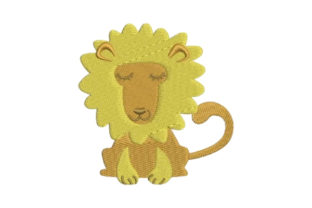
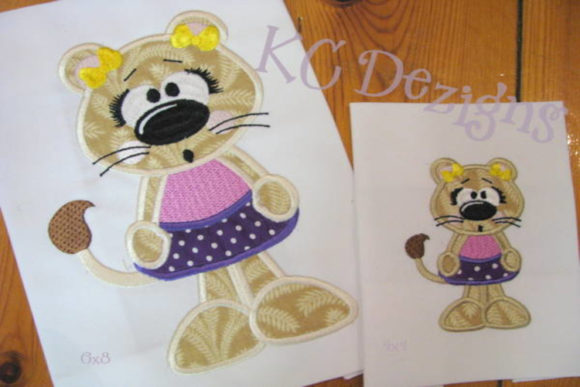
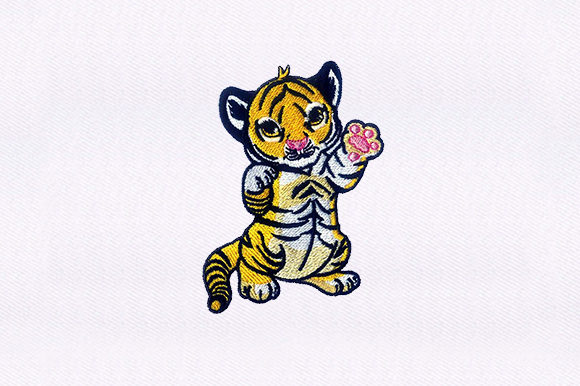
The immediate mood of the Baby Tiger Design is playful and affectionate, landing squarely in the Baby Animals category, but with a surprising level of detail. This isn't a simplistic cartoon outline. The design suggests a personality through its layout—likely a central, engaging character with enough intricacies to feel decorative without being overly fussy. For a boutique brand targeting crafters and handmade enthusiasts, this first impression is crucial. It promises a finished embroidered product that looks considered and skillfully executed, not just a generic graphic slapped on.
Placing the Baby Tiger: From Chest Prints to Sleeve Accents
This design's versatility across multiple embroidery file formats is its first practical win. Having options like PES, DST, and JEF means it's accessible for most machines, which is a relief for small shop production. For a sweatshirt embroidery project, I envision it primarily as a striking chest placement on an oversized hoodie. It would command attention without overwhelming the garment. On a neutral sweatshirt—heather grey or oatmeal—the Baby Tiger Design would pop beautifully, creating that perfect balance of casual and cute.
On dark fabric, like a charcoal or black hoodie, the thread color contrast becomes paramount. I'd lean towards a slightly brighter palette within the design to ensure it reads clearly and maintains its premium feel. For pastel colors—a blush pink or soft mint sweatshirt—the design would shift toward a more feminine, delicate aesthetic. It could also work wonderfully as a smaller sleeve accent or even a subtle back design on a cozy seasonal apparel piece, like a lightweight crewneck.
Evaluating Boutique Commercial Use
A key question for any digital embroidery file is: does it feel strong enough for commercial apparel use? Based on the implied detail, the Baby Tiger Design seems to have sufficient stitch density and substance to withstand the rigors of washing and wearing, which builds buyer trust. For Etsy sellers and apparel decorators, durability is non-negotiable. The design's complexity suggests it will require thoughtful stabilizer choice, especially on the thicker fabric texture of a premium sweatshirt. A solid, cutaway stabilizer would likely be my recommendation to preserve every detail through multiple washes.
Small-size readability is another practical concern. If the boutique wants to offer the design on children's sizes or as a smaller logo, I would need to check the actual file's minimum hoop size recommendations. The provided list includes formats suitable for various machines, but the specific stitch count and optimal hoop size are details I must confirm before production to ensure the design remains crisp and clear when scaled.
Design Assets & Brand Identity
Beyond the stitch, this design affects the entire product presentation. For lifestyle product photography and printable mockups, a well-embroidered Baby Tiger Design becomes a central, engaging focal point. It tells a story of warmth and playful quality, elevating a simple sweatshirt into boutique merchandise. This visual recognition is powerful for a small brand. When a customer sees that distinctive, detailed tiger on a hoodie in a photo, it creates instant brand identity and customer engagement.
The handmade presentation is enhanced because the design isn't overly minimal; it has a decorative quality that showcases the craft of machine embroidery design. It feels like a product where care was taken, which directly increases perceived product value. For creative entrepreneurs building a brand around quality custom apparel, such details are everything.
Final Production Considerations
My review confirms the Baby Tiger Design has strong potential for this sweatshirt collection. Its mood aligns with cozy, playful apparel, and its technical breadth across file formats makes it adaptable. However, moving from evaluation to production requires a few final checks:
- Thread Color Planning: I'll need to map out a palette that works across light, dark, and pastel fabric bases to maintain contrast.
- Hoop & Stabilizer Test: A test run on actual sweatshirt material is essential to verify stitch density, puckering, and the design's behavior on a knit fabric.
- Format Selection: With the list including ART, CND, EXP, and others, I must choose the format best suited for my specific machine and the intended final hoop size.
Remember, the product description provides the essential embroidery file formats—10O, ART, CND, DSB, DST, DSZ, EXP, HUS, JEF, PEC, PES, TAP, VIP, VP3, XXX—but the exact stitch count, recommended hoop sizes, and any license terms for commercial embroidery must be verified separately with the designer or distributor before committing to production.
Conclusion: A Bold, Cute Anchor for Your Collection
In essence, the Baby Tiger Design strikes a compelling balance. It feels bold enough to be a statement piece on a hoodie design yet retains an innate cuteness that fits the Baby Animals category perfectly. It’s decorative without being rustic, detailed without feeling chaotic. For a small shop product aiming to stand out in a crowded market of handmade products, this design offers a cohesive, professional, and engaging anchor. It’s a digital embroidery file that, with proper production care, can transform a basic sweatshirt into a beloved, brand-defining piece of custom apparel.