Cute Flying Pig: A Joyful Embroidery Design for Real Projects
Whenever I sit down to evaluate a new embroidery file, my first question is always: what does this design genuinely feel like when stitched out, and what kind of real project does it belong to? The Cute Flying Pig design, landing squarely in the Baby Animals category, presents a delightful case study. This isn't just a generic cartoon; it's a piece with a distinct, cheerful personality that deserves thoughtful placement.
The Immediate Mood: Pure, Lighthearted Joy
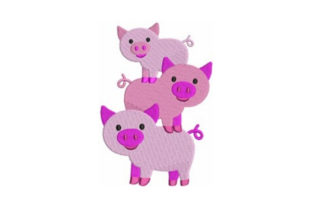
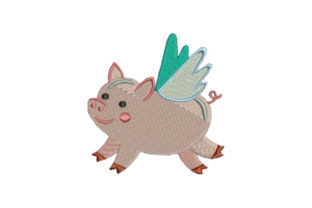
From the moment you see it, the Cute Flying Pig establishes its purpose. The theme—a whimsical pig soaring with little wings—is inherently optimistic. The shape and layout feel balanced, not overly busy, which is crucial for a design meant to evoke a smile rather than overwhelm a garment. The detail level appears thoughtful; it's likely designed with clear outlines and defined areas for satin stitch or fill stitch to give it that polished, handmade look. This visual personality isn't aggressive or niche; it's broadly appealing, which makes it a fantastic candidate for personalized gifts or items meant for a general audience.
A Natural Project Fit: The Custom Tote Bag Scenario
Let's picture a real scenario. I'm preparing a batch of custom embroidered tote bags for a local boutique. I want something that feels fresh, friendly, and adds value without being too seasonal or specific. The Cute Flying Pig comes to mind immediately. Stitched onto a natural canvas bag, its joyful character transforms a simple utility item into a charming, conversation-starting accessory. It’s the kind of detail that makes a customer pause at a craft fair booth or click on an Etsy listing. For a small shop product, this design adds that crucial element of unique, handcrafted appeal that buyers are seeking.
Performance Across Real-Life Embroidery Situations
Thinking practically, where does this design excel? Its joyful nature makes it a natural fit for baby embroidery items, like a subtle corner on a baby blanket or the centerpiece of a nursery pillow cover. On custom apparel, like a sweatshirt or t-shirt, it serves as a great accent—not too large to dominate, but distinctive enough to stand out. As an embroidered patch, it would be incredibly versatile, easily applied to aprons, caps, or backpacks. For holiday gifts, say a kitchen towel or a set of pillow covers, it brings a year-round cheerfulness rather than a holiday-specific motif, increasing its usefulness. In commercial embroidery for small business merchandise, it can become part of a brand's playful identity, especially for shops with a lighthearted vibe.
Careful Considerations for Successful Stitching
Of course, no design is perfect for every single application. The whimsical nature of the Cute Flying Pig likely includes some smaller elements—perhaps those tiny wings or cheerful facial features. On highly textured or stretchy fabrics, these details could lose clarity without the right stabilizer. On dark fabric backgrounds, thread color contrast becomes paramount; you'd want to test a few bold, light colors to ensure the pig's form pops. For curved surfaces like caps, you'd need to confirm the hoop size compatibility and consider the stitch density to avoid stiffness. Products destined for frequent washing, like tea towels or baby clothes, require a robust stitch structure to maintain integrity over time.
Where Its Visual Appeal Translates to Value
This is where the designer's eye matters. When stitched well, the Cute Flying Pig enhances product value through its sheer recognizability and charm. It builds customer trust by showcasing clean, precise embroidery work. For a handmade presentation, it offers a coherent, finished look that feels professional. Its giftability is high—it’s universally pleasant without being impersonal. For an Etsy seller or creative entrepreneur, using this design in a printable mockup or as part of your digital product previews can immediately engage buyers looking for that specific joyful aesthetic.
Practical Designer Notes Before You Hoop
Before committing this design to a client project or a batch of boutique products, here’s my standard review checklist. Always test the design on scrap fabric first, ideally a similar material to your final project. This reveals the true stitch density and lets you inspect small details for clarity. Check thread color contrast by running a version on both light and dark background scraps. Review the provided embroidery file formats for your machine’s compatibility. Use proper stabilizer suited to your fabric—this is non-negotiable for maintaining the design's joyful expression. Crucially, check whether the design's licensing permits use for both personal and commercial projects before selling any finished items. This protects your craft business and ensures you're using the design asset correctly.
Final Thoughts on This Whimsical Asset
The Cute Flying Pig embroidery design succeeds because it understands its role. It's not trying to be a complex, technical showpiece; it's aiming to be a reliable, mood-boosting element in your embroidery project library. For apparel decorators, it’s a quick-win for a cheerful kids' sweatshirt. For digital product sellers, it’s a strong standalone asset in the Baby Animals niche. For anyone making personalized gifts, it’s a surefire way to add a smile. By approaching it with these practical considerations—testing thoroughly, choosing the right fabric, and respecting its licensing—you transform a cute digital embroidery file into a truly charming finished product that lives up to its promise: it will always make you smile.